
Track: Global Child Health and Public Health Pediatrics
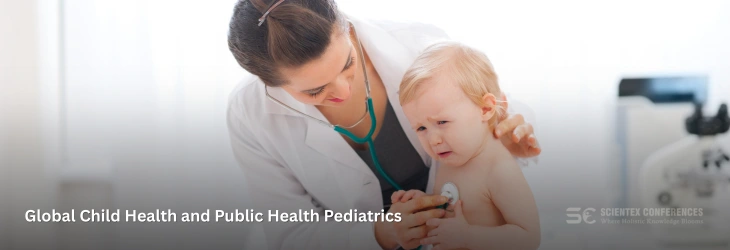
This session focuses on improving child health outcomes at a population level, addressing global disparities in pediatric care, and strengthening public health systems for infants, children, and adolescents. It highlights the impact of socioeconomic, environmental, and infectious determinants on child health and emphasizes evidence-based strategies to reduce mortality, prevent disease, and promote equitable healthcare access worldwide. The session is designed for pediatricians, public health professionals, policymakers, and researchers committed to advancing global child wellbeing.
Global Burden of Pediatric Diseases:
Examines the worldwide distribution of childhood illnesses, including infectious diseases, malnutrition, and non-communicable conditions. Discusses epidemiological trends, mortality patterns, and regional health disparities affecting children. Maternal and Child Health Interventions: Focuses on strategies to improve maternal health and early childhood outcomes, including antenatal care, safe delivery practices, immunization programs, and neonatal survival initiatives.
Immunization and Vaccine-Preventable Diseases:
Covers global vaccination strategies, immunization coverage challenges, and outbreak prevention. Highlights the role of national and international programs in eradicating vaccine-preventable diseases.
Childhood Nutrition and Growth Monitoring:
Addresses undernutrition, micronutrient deficiencies, and childhood obesity from a global perspective. Emphasizes nutrition surveillance, supplementation programs, and community-based interventions.
Infectious Disease Control and Child Survival Programs:
Explores major pediatric infections such as pneumonia, diarrheal diseases, malaria, and tuberculosis. Discusses prevention strategies, public health policies, and global child survival initiatives. Environmental and Social
Determinants of Health:
Examines the impact of poverty, education, sanitation, pollution, and climate change on child health outcomes. Highlights multisectoral approaches to improving living conditions and health equity. Health Systems Strengthening and Policy Development: Focuses on building resilient healthcare systems, workforce development, and policy frameworks to support pediatric care delivery in low- and middle-income countries.
Adolescent Health and Community-Based Care:
Addresses adolescent reproductive health, mental health, substance use, and community outreach programs. Emphasizes youth-friendly services and integrated care models.
Scientific Highlights
- Neonatology, Perinatology and Advances in Neonatal Care
- Genetics and Genomic Medicine in Pediatrics
- Developmental and Behavioural Pediatrics
- Childhood Nutrition and Obesity
- Child and Adolescent Mental Health
- Adolescent Medicine
- Pediatric Allergy and Immunology
- Pediatric Infectious Diseases
- Pediatric Pulmonology
- Pediatric Cardiology
- Pediatric Gastroenterology
- Pediatric Nephrology & Urology
- Pediatric Neurology
- Pediatric Surgery
- Pediatric Dermatology
- Pediatric Oncology and Hematology
- Pediatric Dentistry
- Innovations in Pediatric Health Care
- pediatric endocrinology and diabetes
- Pediatric Emergency and Critical Care Medicine
- Global Child Health and Public Health Pediatrics

Organization Location
1309 Coffeen Avenue, STE 1200, Sheridan, Wyoming 82801, USA
General Enquiry
contact@scientexconferences.com
Finance Enquiry
finance@scientexconferences.com
Call us at
USA : (+1) 669 499 3742